

24/7 Recording vs Motion Detection Security Cameras: Which One Is Better for Home Security?
Recording Mode Comparison
Motion detection and 24/7 continuous recording are not the same.
The way a security camera records video can directly affect how well it protects your home.
When choosing a home security camera, one of the most important differences is how the camera records video.
Many wireless security cameras only record when motion is detected, while others offer 24/7 continuous recording. At first glance, both options may seem similar. However, the recording method can significantly affect how well the camera protects your home.
What Is Motion Detection Recording?
Motion detection recording means the camera only starts recording when it detects movement within its viewing area.
To conserve battery power, most wireless cameras stay in standby mode until motion triggers the recording. When motion is detected, the camera typically records a short clip and sends a notification to the user.
The camera uses less power by staying idle until activity occurs.
Only short event clips are saved instead of a full video timeline.
Users receive notifications when motion is detected.
The Limitations of Motion Detection Cameras
While motion-triggered recording works well in many situations, it can sometimes miss important moments.
The camera may take a moment to start recording after motion is detected.
Fast events may only be partially captured.
Movement outside the detection zone may never trigger recording.
What Is 24/7 Continuous Recording?
A 24/7 recording security camera continuously captures video, creating a complete timeline of activity.
Instead of relying only on motion alerts, the camera records everything that happens within its field of view. This allows users to review events at any moment and see what happened before and after motion alerts.
Why continuous recording helps
- Creates a full timeline of activity
- Reduces the risk of missed events
- Shows what happened before and after alerts
- Works better for outdoor areas that need constant observation
Why Continuous Recording Is Becoming More Popular
Traditionally, continuous recording was only possible with wired security systems that required professional installation.
Newer wireless cameras now combine solar power, smart energy management, and advanced video technology to provide continuous monitoring without complex wiring.
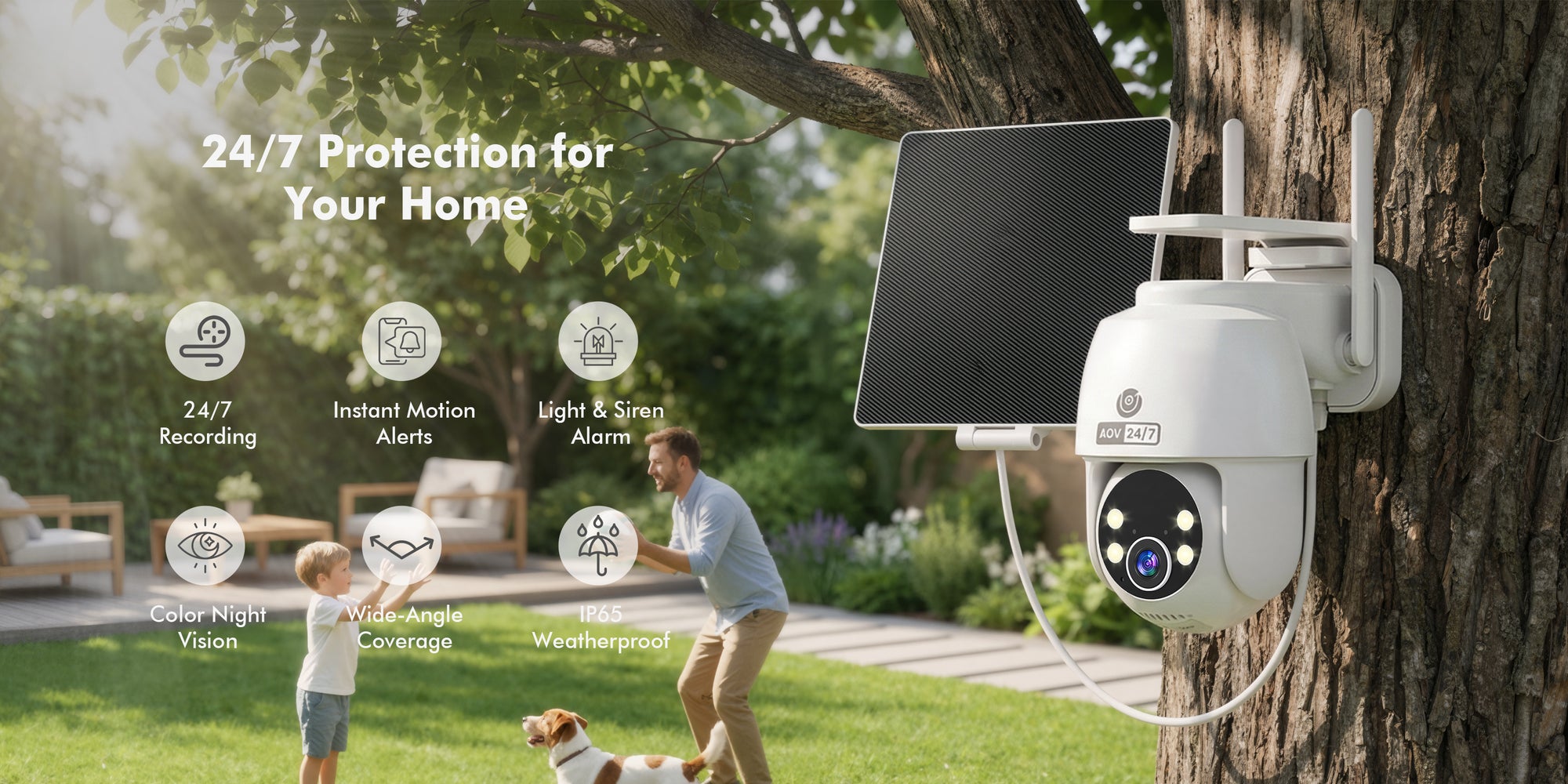
MUBVIEW Q8 Wireless Outdoor Security Camera
The MUBVIEW Q8 supports 24/7 recording while still offering wireless installation and solar-assisted power. This type of camera allows homeowners to monitor their property without worrying about missing important moments.
Motion Detection vs Continuous Recording
| Feature | Motion Detection Cameras | 24/7 Recording Cameras |
|---|---|---|
| Recording method | Only records when motion is detected | Records continuously |
| Risk of missed events | Possible | Very low |
| Storage usage | Lower | Higher |
| Video timeline | Limited clips | Full timeline available |
| Security reliability | Moderate | Higher |
Combining Continuous Recording With Smart Detection
Modern security cameras often combine both technologies. Continuous recording helps preserve the full video timeline, while AI detection helps users receive useful notifications when meaningful activity occurs.
MUBVIEW Q8B Wireless Security Camera
The MUBVIEW Q8B provides continuous recording while also using AI detection to send smarter alerts.
- 360° PTZ monitoring
- AI human detection
- 2K night vision
- Solar-powered wireless setup
- Real-time smartphone alerts
Which Type of Security Camera Should You Choose?
The best choice depends on your security needs. Motion detection cameras may be suitable for indoor monitoring, small areas with low activity, and users who prioritize battery life.
However, a 24/7 recording camera may be better for monitoring driveways, protecting front doors, covering large outdoor areas, and capturing complete activity timelines.